

Guinea Pig Illness
Guinea Pig Illness is one of those subjects that becomes more interesting the longer you live with guinea pigs. After more than ten years, I still learn from my own animals, other owners and reliable veterinary or welfare guidance. I do not claim to know everything; I try to separate what is useful from what merely sounds confident online.
This guide is practical rather than perfect. Guinea pigs are individuals, and health, age and history can change the right answer. Where illness, pregnancy or treatment is involved, information here should help you notice and prepare, never replace a guinea-pig-experienced veterinarian.
Common Guinea Pig Illness Signs Need Fast Attention
Guinea pigs hide weakness because they are prey animals. Reduced appetite, weight loss, fewer droppings, hunching, discharge, noisy breathing or reluctance to move can be serious. This guide helps recognition; it cannot diagnose the cause. Call a guinea-pig-experienced veterinarian.
One lesson I learned slowly is that the useful routine is the one a household can repeat. A perfect-looking setup that is exhausting to maintain soon stops being perfect. I prefer simple systems that make daily observation easy, because noticing a small change early is often more valuable than buying another decorative accessory.
Guinea Pig Illness: Guinea Pig Dental Disease Symptoms and Treatment
Drooling, dropping food, chewing slowly, wet chin and weight loss may signal painful molars even if front teeth look normal. A veterinarian may need sedation and imaging. Never clip teeth at home. Treatment can include dental correction, pain relief, fluids and assisted feeding.
Online discussions can make this subject sound more absolute than it really is. I compare advice, watch the guinea pig in front of me and ask an experienced veterinarian when health is involved. Individual age, history and medical needs can change what is sensible, so confidence should never replace curiosity.
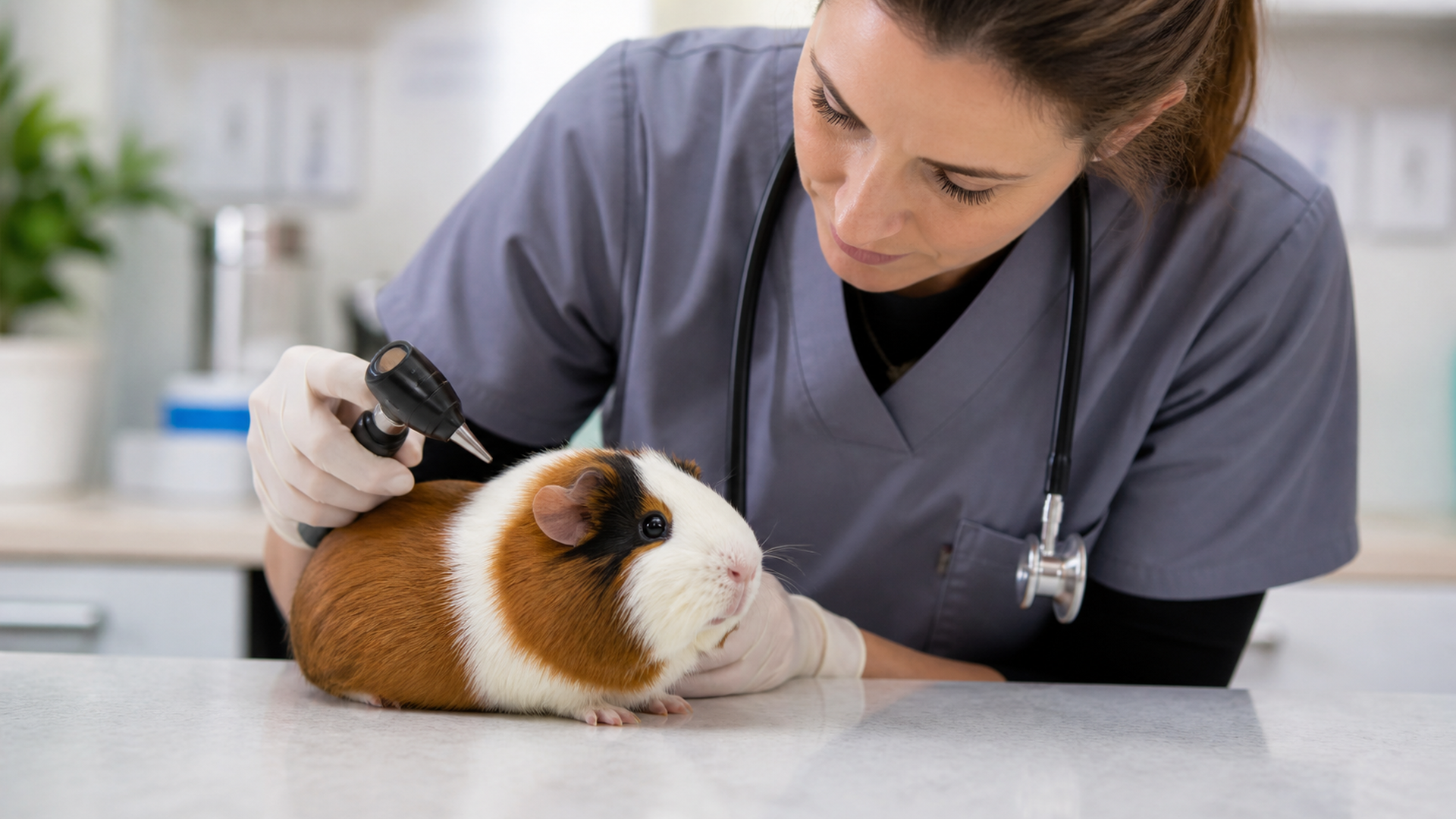
Guinea Pig Illness: Guinea Pig Respiratory Infection Symptoms
Sneezing with eye or nose discharge, poor appetite, weakness, rapid breathing or effort can indicate respiratory disease. Breathing difficulty is an emergency. Treatment requires vet-selected medication because several common antibiotics can dangerously disrupt guinea pig gut bacteria.
Guinea pigs are very good at turning ordinary care into a negotiation. They may object to a check, then accept the apology vegetable immediately afterward. Keeping sessions calm and brief protects trust while still allowing us to notice feet, skin, weight and behavior before a small concern becomes a larger one.
Guinea Pig Illness: Sick Guinea Pig Not Eating and Gut Stasis
Not eating can cause the gut to slow and become life-threatening, while pain, dental disease or infection may be the original cause. Contact a vet promptly. Assisted feeding and fluids may be needed, but technique and quantity should follow professional advice.
The practical test is not whether something looks attractive in a photograph. It is whether the guinea pig can eat, move, rest, hide and live socially without discomfort. I return to that test whenever products, trends or confident internet opinions become confusing.
Guinea Pig Illness: Guinea Pig Urinary Illness and Pain
Squeaking while urinating, blood, frequent attempts, wetness or a hunched posture may involve infection, sludge or stones. A blocked animal needs urgent care. Diagnosis may require urine tests and imaging; water and diet changes alone cannot remove every stone.
Because guinea pigs hide pain, I never rely on one dramatic symptom. Appetite, weight, droppings, posture, breathing and normal social habits form a picture together. A change that persists or appears suddenly is worth taking seriously, even when it seems small.

Guinea Pig Illness: Guinea Pig Skin Illness, Parasites and Fungal Disease
Scratching, bald patches, crusts, dandruff or painful sensitivity may come from mites, lice, fungus or another problem. Avoid random pet-shop treatments because dose and diagnosis matter. Some fungal infections can spread to people, so hygiene and veterinary advice are important.
One lesson I learned slowly is that the useful routine is the one a household can repeat. A perfect-looking setup that is exhausting to maintain soon stops being perfect. I prefer simple systems that make daily observation easy, because noticing a small change early is often more valuable than buying another decorative accessory.
Guinea Pig Illness First Aid While Reaching a Doctor
Keep the guinea pig quiet, comfortably warm rather than hot, and transport with hay and a companion when the clinic advises it. Do not give human painkillers, leftover antibiotics or force water into the mouth. The useful action is arranging qualified care quickly.
Online discussions can make this subject sound more absolute than it really is. I compare advice, watch the guinea pig in front of me and ask an experienced veterinarian when health is involved. Individual age, history and medical needs can change what is sensible, so confidence should never replace curiosity.
Why Guinea Pig Illness Treatment Belongs With a Veterinarian
Symptoms overlap. A guinea pig that stops eating may have dental pain, infection, urinary trouble, digestive disease or another cause, and the treatments are not interchangeable. Veterinary examination, imaging and laboratory tests can change the plan completely. Supportive care can save lives when professionally directed; guessing medication can cost precious time.
If you are unsure whether a symptom is urgent, call the clinic and describe breathing, appetite, droppings, urine, weight and behavior. It is better to make a cautious call than to discover that a quiet prey animal was far sicker than it appeared.
Guinea Pig Illness: Keeping Useful Daily Notes
A short notebook can turn vague impressions into useful information. I record weekly weight, appetite changes, unusual sounds or behavior, and anything altered in the enclosure or diet. This is not about watching guinea pigs anxiously every minute. It is about knowing their ordinary pattern well enough to recognize when a quiet change deserves attention. Over time, these records reveal preferences and routines that memory tends to blur, especially in a busy home with more than one guinea pig.
Photographs can help with coat, skin, cage layouts and body condition, while short videos may capture a noise or movement that disappears at the clinic. Dates matter. So does context: write down whether a new food, companion, room temperature or stressful event came before the change. A veterinarian can use clear observations far more effectively than a guess based on one dramatic internet post.
I also leave room to change my mind. Advice improves, products change and individual animals surprise us. The kindest approach is not defending an old routine because it once seemed correct; it is adjusting carefully when better evidence or the guinea pig's own response shows a safer way.
A Thoughtful Approach to Guinea Pig Illness
The most reliable care is built from observation, simple routines and a willingness to ask for help. Keep notes, question dramatic claims and watch what your guinea pigs actually do. Their needs are not complicated because they are trying to be difficult; they are specific because these small animals evolved with bodies and instincts very different from ours.